Advanced Leak Detection: Guard Your Home Against Hidden Water Damage
Proper leak detection serves a vital purpose in maintaining a home's integrity. Undetected water damage often causes substantial financial burdens and potential health concerns. Residents frequently fail to notice initial signs, like unexplained discoloration or lingering musty scents. Through recognizing these warning signs and utilizing modern detection techniques, homeowners can safeguard their homes. Yet, a large number of homeowners are still uninformed about the best methods and resources at their disposal. What steps can be taken to guarantee a home stays safe from these silent threats?
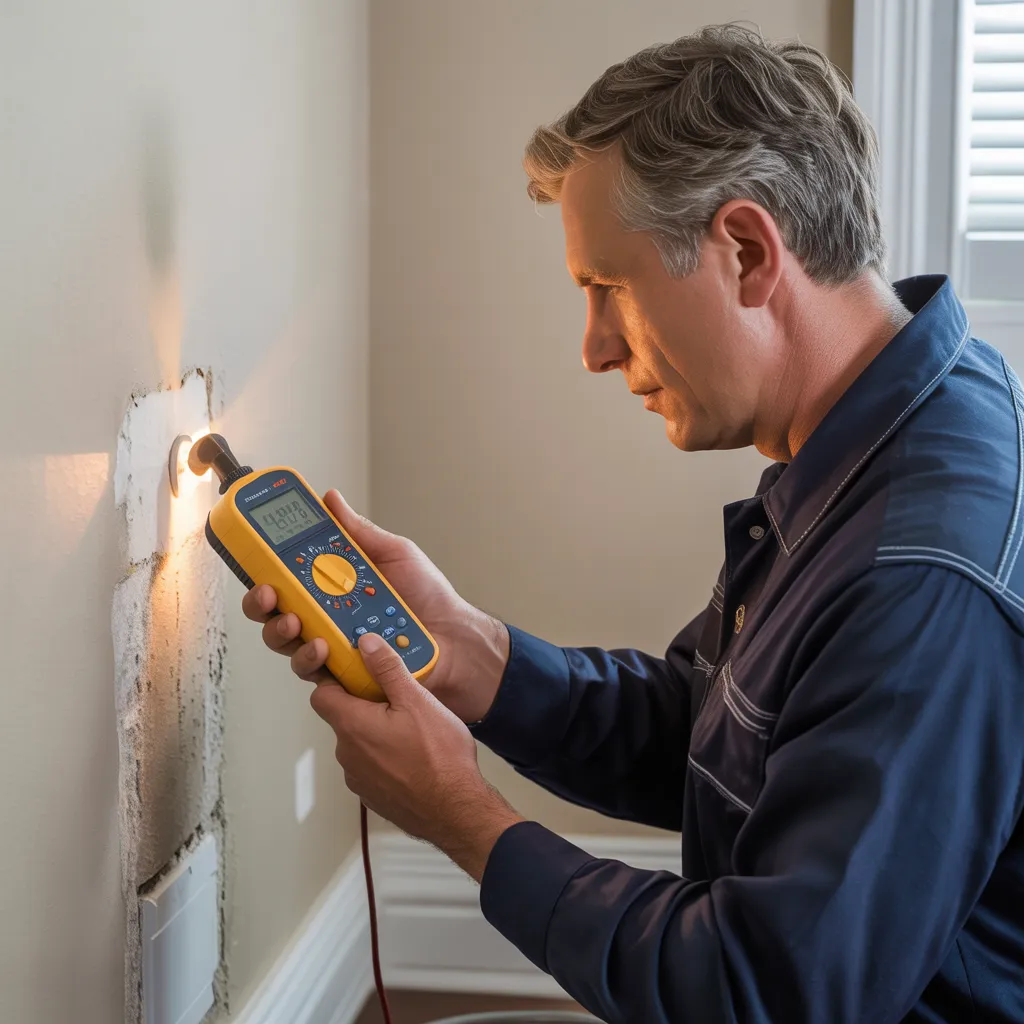
Why You Should Prioritize Leak Detection
Why is leak detection so important for homeowners? Homeowners must recognize that undetected leaks can result in significant structural damage and costly repairs. Water intrusion can compromise the integrity of walls, foundations, and even electrical systems, leading to hazardous living conditions. Additionally, prolonged moisture can foster mold growth, which poses health risks to occupants.
Investing in proactive leak detection protects the home while also increasing property value. By identifying leaks early on, homeowners are able to reduce potential damage, effectively eliminating the financial strain linked to significant repairs. Regular inspections and advanced detection technologies can uncover hidden issues that may otherwise go unnoticed. Ultimately, prioritizing leak detection guarantees the longevity of the home and contributes to a safer, healthier living environment. By being vigilant, homeowners can protect their investment and maintain peace of mind.
Common Signs of Water Leaks You Should Detect
While water leaks might begin as minor issues, their indicators can grow more obvious if ignored. Property owners ought to watch carefully for a number of telltale signs of water leaks. One noticeable sign is the presence of water stains on ceilings or walls, which can manifest as brown or yellowish marks. Furthermore, wet or discolored spots on flooring may indicate moisture issues below the surface.
A further indicator is the presence of dripping or running water sounds when all fixtures are turned off. A sharp rise in the water bill, lacking an apparent cause, can also point to hidden plumbing leaks. Mold or mildew growth in locations like basements or bathrooms is yet another telling sign of chronic moisture concerns. Finally, warped or buckled flooring may point to excessive moisture exposure. By detecting these indicators in a timely manner, homeowners are able to take preventive steps to prevent significant damage and costly repairs.
Best Methods for Effective Leak Detection
Recognizing water leaks early is vital for keeping a home in good condition and stopping widespread harm. Various methods are available for efficient leak identification, addressing diverse scenarios and requirements. Visual inspections often serve as the first line of defense; property owners can examine for evident clues including water discoloration or mold formation. Thermal imaging technology is yet another approach that applies infrared detection to pinpoint thermal differences, exposing unseen leaks beneath wall or ceiling surfaces.
Acoustic leak detection employs sound waves to pinpoint leaks, making it particularly effective for concealed or buried pipes. Pressure testing entails monitoring the pressure within plumbing systems to detect irregularities that indicate potential leaks. Additionally, moisture meters can assess dampness in materials, delivering quantitative data on potential leak sources. All of these approaches present unique benefits, empowering homeowners to pick the most fitting solution for their individual needs and supporting preventative action against water damage.
Picking the Best Leak Detection Tools for Your Home
How do homeowners make certain they possess the correct equipment for successful leak detection? Choosing the right equipment is critical for locating concealed leaks before they result in serious harm. Important equipment includes moisture meters, which measure the humidity level in walls and floors, helping to pinpoint damp areas. Thermal imaging cameras are equally useful, as they identify temperature differences, suggesting possible leaks beneath surfaces.
In addition, sound-based leak detection devices can identify the sound of water escaping from pipe systems. Those who opt for non-electronic solutions, standard dye assessments are highly useful for identifying toilet water leaks. Residents may also want to consider installing advanced leak detection technology that deliver real-time alerts through digital apps. Ultimately, knowing the individual characteristics of their home and the various potential leaks will help property owners in determining the most suitable detection solutions, ensuring they are well-prepared to protect against water damage.
Applying Preventive Strategies to Avoid Water Damage
Water-resistant materials in basements, kitchens, and bathrooms can further reduce the risk of damage. Homeowners are encouraged to consider moisture detectors, which can notify them of leaks at an early stage. Strategic landscaping, including grading the ground away from the home, can help channel water away from the foundation. In the end, keeping indoor humidity levels in check can help prevent mold growth, which frequently results from undetected water problems. By taking these proactive steps, homeowners can greatly reduce the likelihood of costly water damage.
When Should You Hire a Professional for Leak Detection?
When is it essential to seek professional assistance for leak detection? Residents should think about contacting a specialist when they detect ongoing moisture spots, unexplained increases in water bills, or a persistent musty smell that remains even after thorough cleaning. Additionally, if water stains appear on ceilings or walls, it may indicate a hidden leak that requires specialized diagnostic tools. Professionals possess the expertise and equipment, such as thermal imaging cameras and moisture meters, to identify the source of the problem accurately.
Furthermore, when a homeowner's DIY attempts have proven ineffective, seeking professional guidance is highly advisable to minimize the risk of worsening conditions. Houses equipped with older pipe systems or that have seen recent renovation activity face an elevated likelihood of experiencing leaks, rendering a thorough specialist inspection particularly important. In the end, important information prompt action taken by a qualified leak detection expert helps homeowners avoid substantial repair costs and serious water damage down the line.
Common Questions and Answers
What Is the Recommended Frequency for Checking Leaks in My Home?
Property owners should check for leaks no less than twice annually, preferably during seasonal transitions. Periodic evaluations assist in detecting problems before they worsen, reducing the risk of extensive damage and costly repairs linked to concealed water leaks across the home.
Can Leaks Occur in Appliances Like Dishwashers or Refrigerators?
Yes, leaking can happen in appliances such as dishwashers and fridge units. Over time, seals can deteriorate or hoses could develop wear, leading to potential water damage if not regularly inspected and maintained.
What Are the Long-Term Effects of Undetected Water Leaks?
Unnoticed water leaks can lead to severe structural damage, mold development, rising utility bills, and health concerns. Over time, these problems may escalate, resulting in costly repairs and a potential decrease in property value.
Are Leaks More Likely to Happen During Certain Seasons?
Pipe leaks are more common during winter, as freezing temperatures can cause pipes to burst, and in spring, when melting snow and heavy rainfall can overwhelm drainage systems. Understanding these seasonal trends helps in taking preventive action.
How Can I Tell if My Water Meter Indicates a Leak?
To determine if a water meter indicates a leak, the meter reading should be noted before and after a period of water inactivity. A difference in the reading points to a likely leak somewhere in the system.